
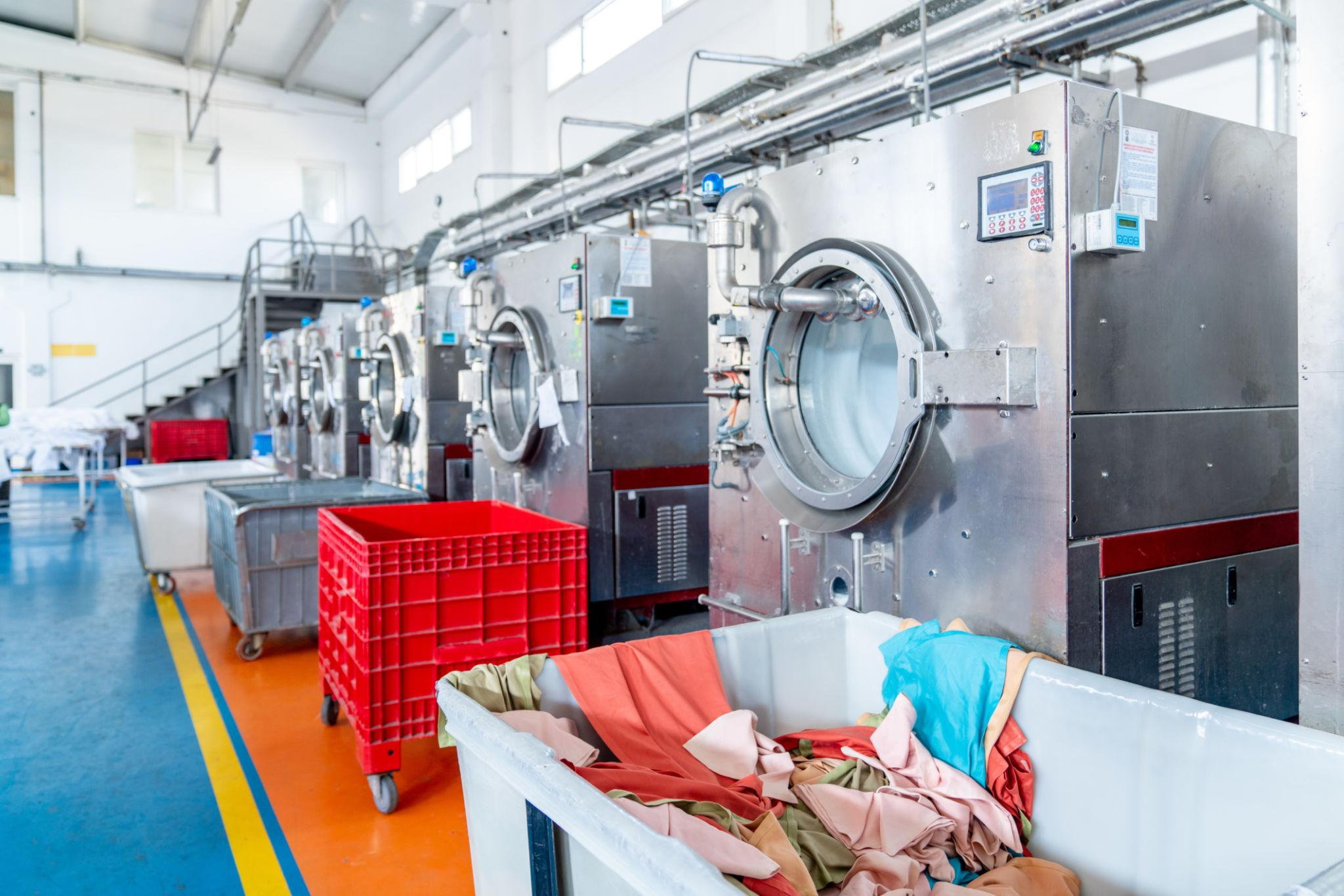
What usually makes laundry come out clean and fresh? Detergent (using the right soap and the right amount), water temperature (hot enough to clean but not so hot it damages fabrics), or machine power ( how well it agitates and spins)? Well… these three things are always on top of everyone’s mind when doing laundry. But there’s something else that matters just as much for getting good quality laundry services. It’s load size. The amount of laundry you stuff into a machine, whether at home or at commercial laundry services, has a huge impact on how well everything gets cleaned.
High-volume environments like hotels, gyms, restaurants, or hospitals need to process tons of laundry every single day. In that kind of situation, you can’t just overstuff the machine and be on your way. The size of the load directly affects every step of the process. If the load is too big, items don’t get properly cleaned because the water and detergent won’t be able to reach every item. They won’t get properly washed, rinsed, and dried because soap gets trapped in the overloaded drum. Commercial laundry services have systems in place to manage load sizes carefully. They weigh and estimate the load before they go in and train their staff on proper loading technique.
What Load Size Changes in a Wash Cycle?
When we put clothes into the machine, they tumble, twist, slide, and rub against each other; the movement is a big part of how laundry gets cleaned. The size of the load changes how much the clothes can move. If the load is just right, the clothes have plenty of room to tumble freely. If the load is too big, they get packed in so tight that they can barely sit around. If the load is too small, they just slosh around without enough contact to scrub dirt off. Water carries the detergent to the fabric. Detergent loosens the dirt from the fibres. And fabric movement- the tumbling and rubbing- physically dislodges that loosened dirt so it can be washed away. All three have to work together in order to get the perfect results. When the load is balanced correctly:
- Water circulates more evenly.
- Detergent spreads better
- Fabrics move more freely
- Rinsing becomes more effective
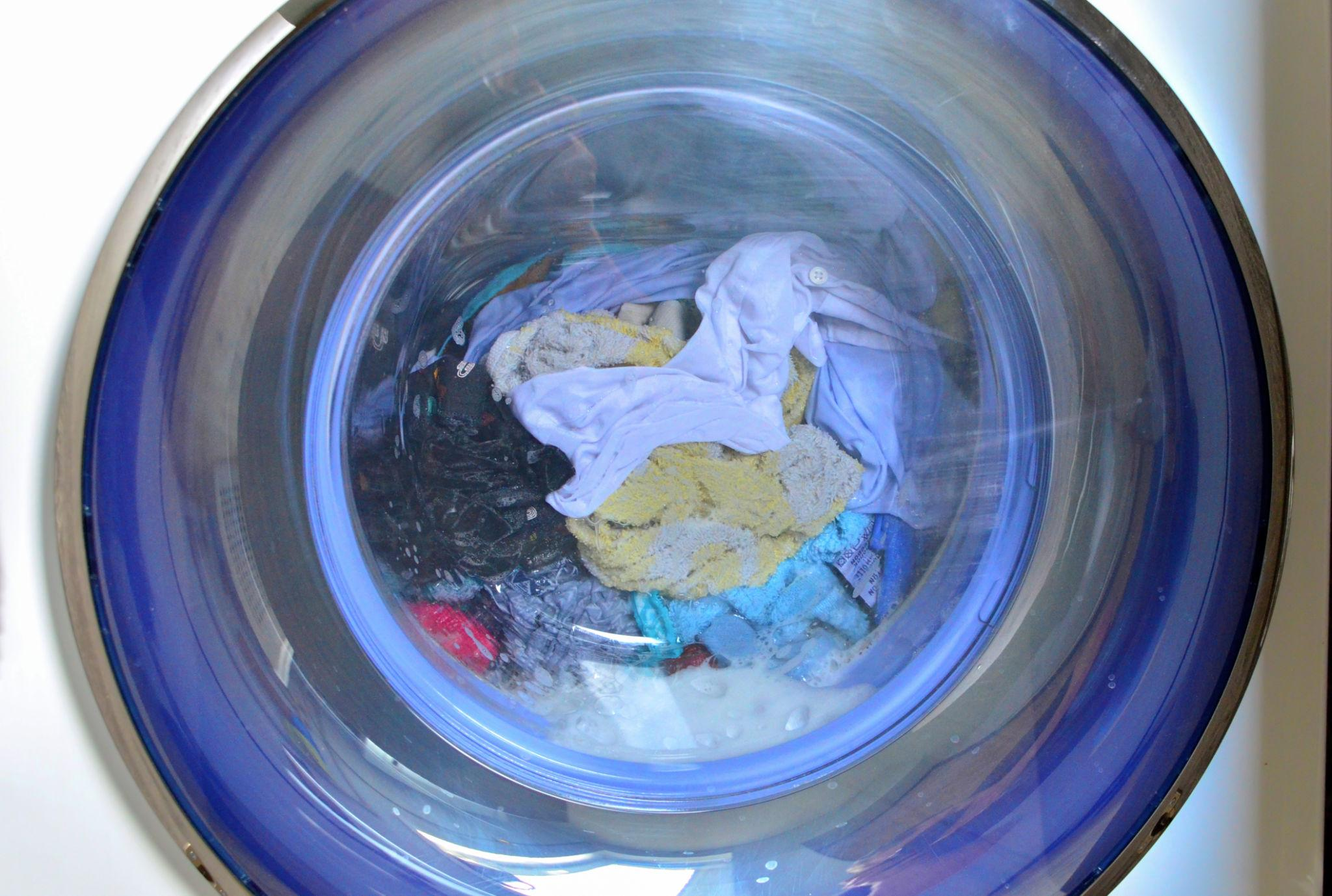
Let’s talk about what happens when you ignore the load size and cram as much as possible into the machine. The wash cycle will probably be going on, and the machine still spins and tumbles, but it won’t be working efficiently. Professional commercial laundry services rely on machines that are able to handle large laundry loads. The whole system is built to maintain cleaning quality even when processing high volume. That’s why commercial laundry services can deliver better results.
Why Overloading Reduces Wash Quality
Overloading is one of the common issues of the laundry business. Because of the increased volume, it may seem that more items would get to them faster, but overloaded machines tend to have trouble evenly cleaning laundry.
If the machine is filled too tightly:
- Circulation of water is affected
- Detergent may not be distributed properly
- The rate of free movement of fabrics is limited.
- Possibility of dirt and residue clinging on
- This may result in drying later in life.
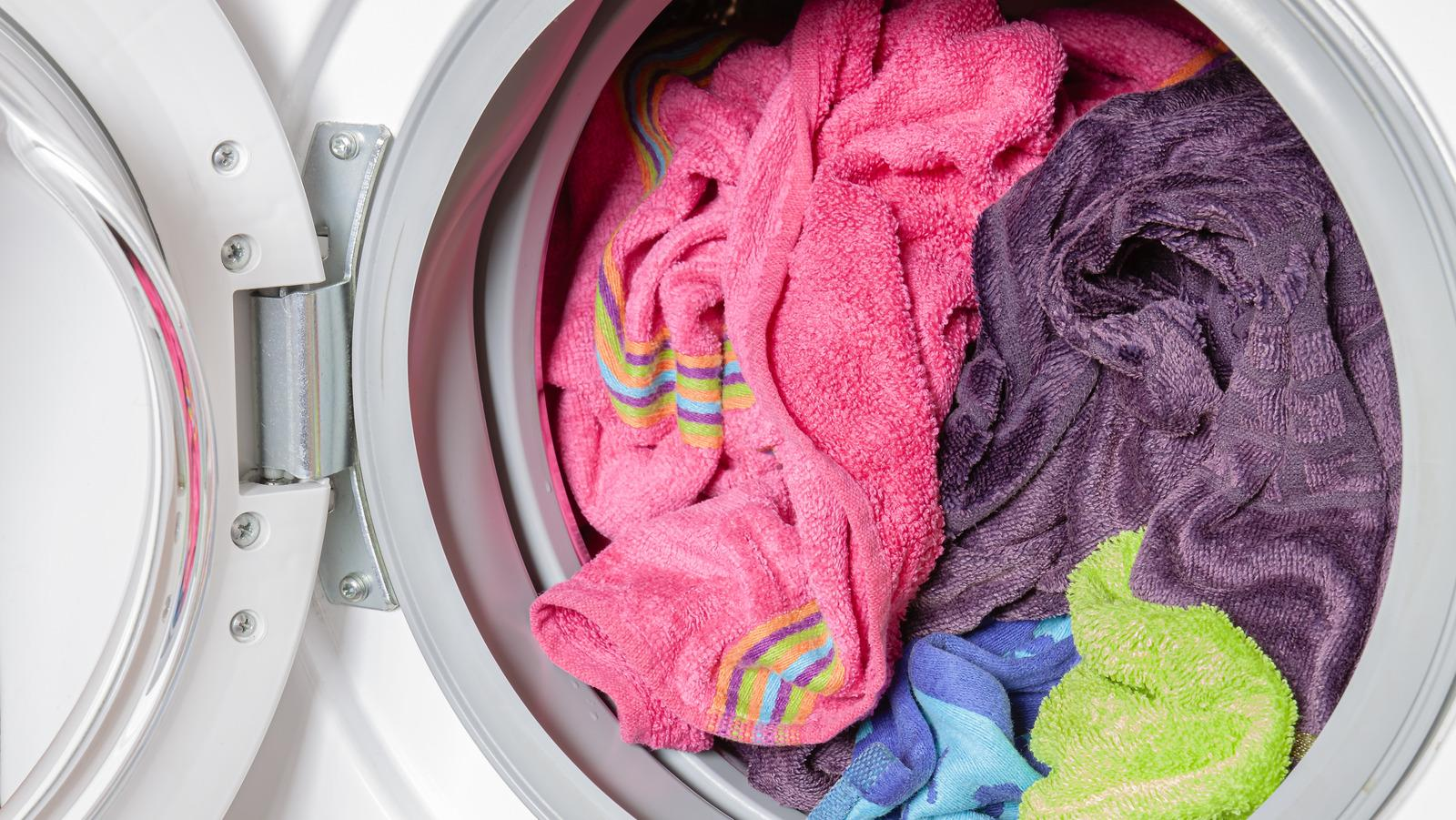
Sometimes overloaded machines may also add additional stress on the wash cycle. This is why it’s essential to get the laundry size correct to ensure a consistent cleaning performance when you do the laundry. One of the most important components of the cleaning process in the laundry is laundry movement in the drum. Detergent and water might not evenly cover all surfaces if the items cannot move effectively.
Why Underloading Can Also Reduce Efficiency
Interestingly, it is not necessarily best to use very light loads.
Underloading can:
- Waste machine capacity
- Reduce workflow efficiency
- Increase the number of cycles needed.
- Use more time and resources overall.

In commercial laundry services, the goal isn’t only about the amount of laundry done. The goal is to use machine space and at the same time not give insufficient space for proper movement and circulation. That is what contributes to having an efficient and good wash quality.
How Machine Capacity Supports Better Cleaning Results
Processing of laundry depends significantly on the size of a machine. High-capacity machines are designed to handle bigger loads without compromising the water flow and fabric movement. That’s important because there’s more to a large machine than meeting only the laundry capacity. They are constructed to facilitate bulk processing better.
With properly matched machine capacity:
- The loads can be distributed more uniformly.
- Parts become more consistent when they rinse.
- More spacious fit for larger objects.
- Workflow is made more convenient to deal with.
That’s one factor that makes many large commercial laundromats use a large amount of gear for large volumes of laundry loads and regular loads.
The Role of Load Balancing in Commercial Laundry
The remaining important consideration that can impact wash quality is load balancing. If the machine is large enough but the laundry is not even, it still may affect the machine’s performance. Large, heavy objects that are placed in groups could influence spinning, extraction, and water flow into and out of the cycle.
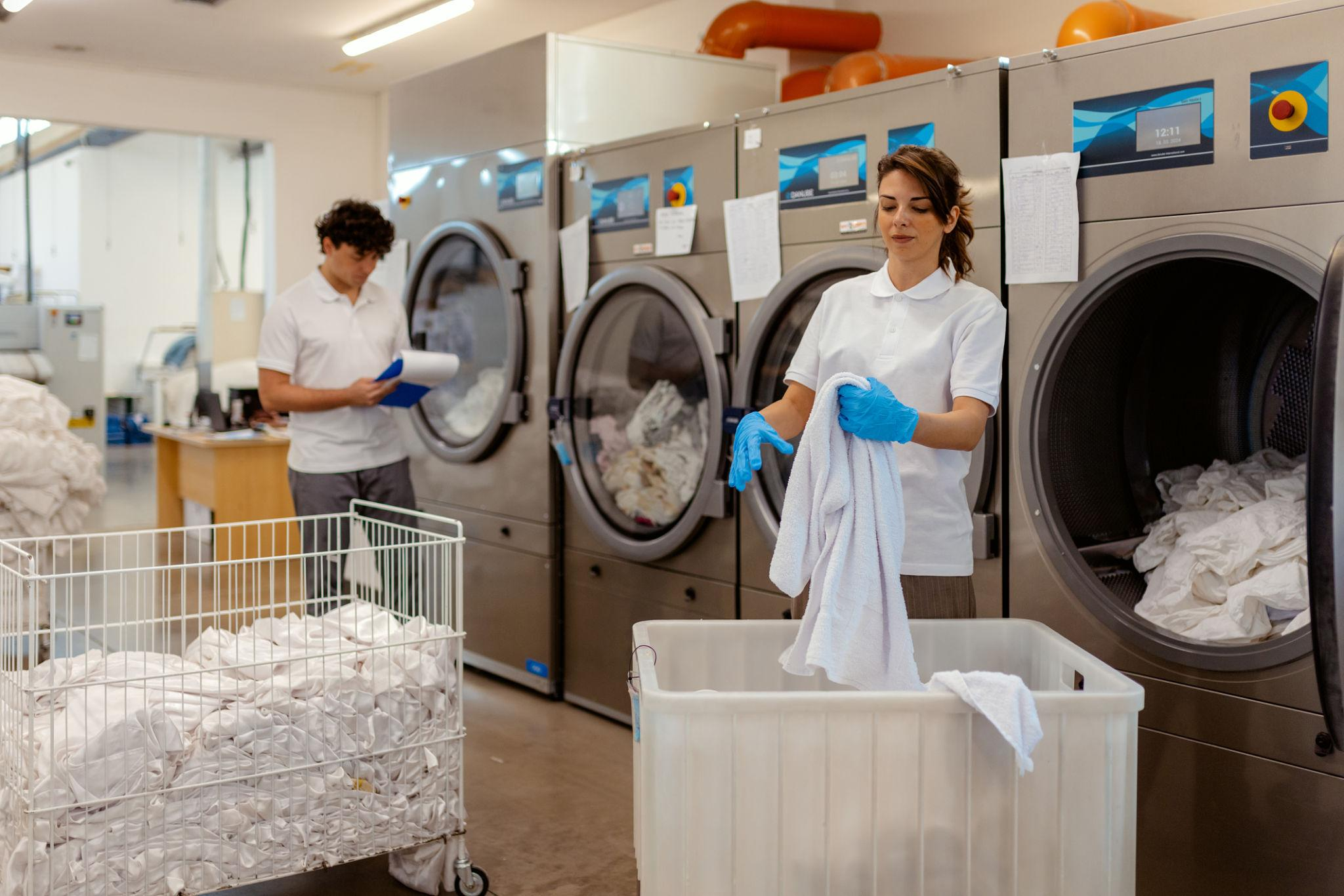
Balanced loads help:
- Improve cycle consistency
- Reduce unnecessary strain
- Support better extraction
- Maintain smoother operation
Load balancing can improve the predictability and reliability of wash cycles in commercial laundry services, particularly in high-volume washing operations.
Signs a Laundry Load Is Too Large
Sometimes it is easy to tell when a machine is overloaded.
Here are a few common signs:
| Sign | What It Can Mean |
| Clothes packed tightly inside drum | Overloading the machine – drum should only be ¾ full |
| Limited movement during wash | Clothes need space to move freely; packed items can’t circulate properly |
| Uneven cleaning results | Some areas (collars, underarms) stay dirty because water/detergent can’t reach them |
| Poor detergent circulation | Overcrowding prevents water and detergent from distributing evenly. |
| Longer drying times | Moisture trapped between items; clothes stay soggy after spinning |
| Heavy clumping | Poor load distribution – clothes bunch together instead of spreading |
| Excess wrinkling | Restricted movement during cycle causes deep creases that are hard to remove instagram+1 |
Commercial Laundry Services vs Smaller Laundry Setups
A standard laundry setup can work well for smaller household needs, but larger laundry volumes usually require a different approach.
| Feature | Standard Setup | Commercial Laundry Services |
| Machine capacity | Smaller (8–22 lb per load) | High-capacity (20–100+ lb, up to 1,000 lb industrial) |
| Laundry volume | Lower | High-volume |
| Bulk laundry handling | Limited | Better suited |
| Workflow efficiency | Moderate | More optimized |
| Large load processing | More difficult | Easier |
Final Words
Looking for dependable commercial laundry services for larger laundry loads? CoinLess Laundry offers high-capacity machines, clean facilities, and convenient laundry solutions built to support high-volume washing needs more efficiently.
Visit one of our nearby locations today and experience a more practical way to manage large laundry loads. Contact CoinLess Laundry for commercial laundry services in Arizona.
Frequently Asked Questions (FAQs)
Q.1. How does load size affect wash quality in commercial laundry?
Load size affects how well water, detergent, and clothes move around during washing, influencing the quality of the clean.
Q.2. Why is overloading a washer bad for wash quality?
When you overload a washer, clothes don’t shift properly inside it. This makes it hard for water and detergent to reach all garments equally, leading to spotty cleanliness.
Q.3. Can small loads also reduce efficiency?
Yes, super tiny loads have their issues too. They might mean wasted space and more effort to wash additional cycles just to fill the drum. This isn’t very efficient for businesses relying on timely turnaround.
Q.4. What load size gives the best wash results?
The ideal load lets clothes move freely without wasting space in the washer. The sweet spot differs based on the specific machine and what you’re cleaning – sheets versus delicate undergarments, for instance.
Q.5. Do larger machines always improve wash quality?
Not necessarily. Big machines boost productivity only if filled correctly; simply having a huge washer doesn’t guarantee good hygiene without proper management.
Q.6. Why do commercial laundry services use high-capacity machines?
Commercial laundry services opt for large-capacity machines to manage bulkier client needs efficiently. These setups keep operations smooth and ensure customers get back their clean items faster and more consistently.