
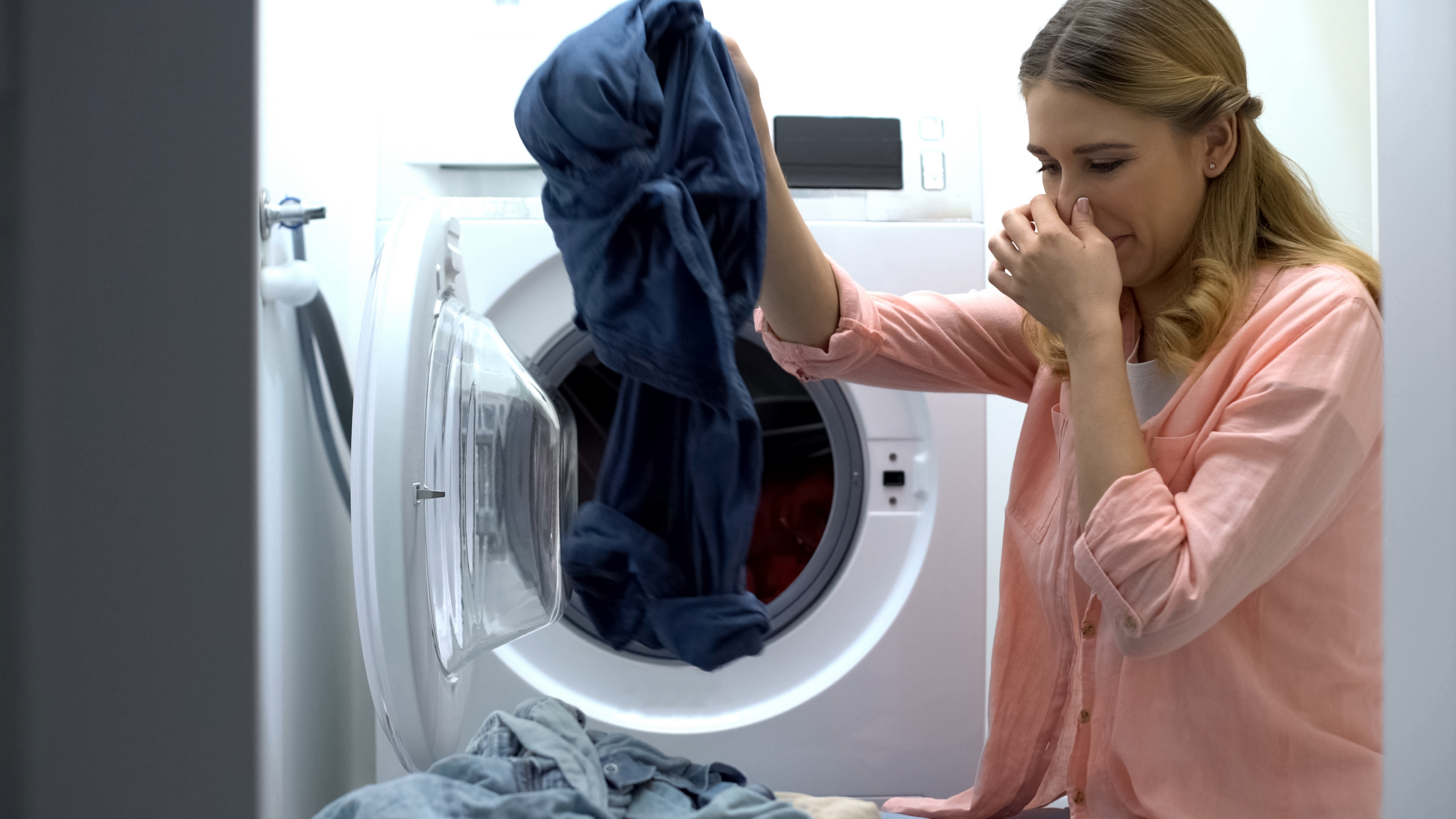
Gym wear and activewear are no longer just clothing items; they are performance tools designed to handle sweat, movement, and repeated use. As fabrics become more advanced in 2026, proper maintenance becomes essential. Following the right laundry care tips for gym wear helps preserve fabric strength, elasticity, breathability, and overall hygiene. Many people unknowingly damage their activewear through everyday washing habits, which leads to fading, stretching, and stubborn odors. Understanding how to clean and care for these garments correctly ensures comfort, freshness, and durability over time.
Below are eleven detailed tips that explain how to protect your gym clothing while keeping it clean and ready for every training session.
1. Wash Gym Clothes as Soon as Possible After Use
One of the most important habits to adopt is washing gym clothes as soon as you finish using them. Sweat contains salts, oils, and bacteria that quickly sink into fabric fibers. When gym wear is left sitting in a basket or gym bag, moisture gets trapped, creating an ideal environment for bacteria to multiply. This is why odors often become harder to remove the longer clothes sit unwashed.
Fresh sweat is far easier to clean than dried sweat. Washing soon after use allows detergents to break down oils and bacteria effectively. If immediate washing is not possible, hanging your clothes in an open, well-ventilated area allows moisture to evaporate and reduces bacterial growth. This small step can significantly reduce long-term odor issues.
Regular prompt washing also helps maintain fabric color and elasticity. Sweat residue can weaken fibers over time, leading to thinning fabric and reduced stretch. Making quick washing a habit is one of the most effective laundry care tips for gym wear, especially for those who exercise frequently or wear compression-style garments.
2. Turn Activewear Inside Out Before Washing
Turning gym clothes inside out before washing might seem minor, but it makes a noticeable difference. The inside of gym wear is where sweat, skin oils, and bacteria concentrate the most. Washing clothes right side out often means the dirtiest areas do not get fully cleaned.
By turning garments inside out, water and detergent reach the areas that need the most attention. This improves odor removal and ensures a deeper clean without using harsher chemicals. It also protects the outer surface of the fabric from friction against other clothes in the wash.
Another benefit of this practice is preserving printed logos, patterns, and fabric finishes. Repeated rubbing during washing can cause cracking or fading on the outer surface. Turning clothes inside out reduces this wear and tear, helping activewear maintain its appearance for longer periods.
This simple habit plays a major role in effective laundry care tips for gym wear, and it requires no extra cost or effort. It is especially useful for leggings, sports tops, and compression garments that come into direct contact with sweat.
3. Always Use Cold Water for Washing
Cold water washing is essential for protecting performance fabrics. Many gym clothes are made from synthetic fibers designed to stretch and recover. Hot water can weaken these fibers, causing them to lose shape and elasticity over time.
Cold water is highly effective at removing sweat and dirt when paired with the right detergent. It also prevents color bleeding and fading, keeping gym clothes looking newer for longer. In 2026, most detergents are formulated to work efficiently in cold water, making hot water unnecessary for activewear.
Washing in cold water also helps reduce energy consumption, making it an environmentally responsible choice. Lower temperatures minimize fiber stress, which means garments hold their structure and compression properties better.
Among professional cleaners, cold water washing remains one of the most recommended laundry care tips for gym wear, because it balances cleanliness with fabric protection. This approach is especially important for leggings, fitted tops, and moisture-wicking shirts that rely on elasticity for performance.
4. Choose a Mild and Low Residue Detergent
Not all detergents are suitable for gym wear. Strong detergents may clean aggressively, but they often leave behind residue that builds up inside fabric fibers. This residue traps odors instead of removing them, leading to that persistent smell many people struggle with.
Mild detergents are designed to clean without coating the fabric. They allow activewear to maintain breathability and moisture-wicking capabilities. Using the correct detergent also reduces skin irritation, which is important for garments worn during intense physical activity.
Less detergent is often more effective when washing gym clothes. Overuse leads to buildup that attracts bacteria. Carefully measuring detergent ensures clothes are thoroughly rinsed and left fresh.
Selecting the right detergent is a core part of smart laundry care tips for gym wear, especially for people with sensitive skin or expensive performance clothing.
5. Avoid Fabric Softener Completely
Fabric softener is one of the biggest enemies of gym wear. While it makes regular clothes feel soft, it coats activewear fibers with a wax-like layer. This layer blocks moisture-wicking properties, causing sweat to stay trapped in the fabric.
Over time, fabric softener buildup leads to lingering odors that become difficult to remove. It also reduces breathability, making gym clothes feel heavier and less comfortable during workouts.
Skipping fabric softener keeps fibers open and functional. Activewear is designed to move moisture away from the skin, and fabric softener directly interferes with this function.
Eliminating fabric softener is one of the most essential laundry care tips for gym wear, and it immediately improves garment performance and freshness.
6. Do Not Overload the Washing Machine
Overloading the washing machine prevents clothes from moving freely. When gym wear is packed too tightly, detergent and water cannot circulate properly. This results in incomplete cleaning and trapped odors.
Smaller loads allow better agitation and rinsing. Gym clothes are lightweight, so washing them in smaller batches ensures each item gets thoroughly cleaned.
Overloading also increases friction, which can stretch or damage delicate fabrics. Giving clothes space reduces wear and helps maintain shape.
Avoiding overloads is a practical and often overlooked part of laundry care tips for gym wear, especially in shared or high-capacity machines.
7. Use Gentle or Activewear Wash Cycles
Many modern machines include gentle or sports clothing cycles. These settings reduce agitation while maintaining effective cleaning. Lower agitation protects elastic fibers and prevents unnecessary stretching.
Using the correct cycle helps preserve seams, stitching, and compression areas. It also reduces pilling and fabric thinning over time.
Selecting the right cycle is an important addition to your laundry care tips for gym wear, especially for premium or branded activewear.
8. Skip the Dryer When Possible
High heat from dryers is damaging to gym clothes. Heat breaks down elastic fibers and causes shrinkage. Air drying is the safest option for maintaining fit and stretch.
Lying clothes flat or hanging them in a ventilated area allows moisture to evaporate naturally. This preserves fabric integrity and prevents warping.
Avoiding dryers remains one of the most effective laundry care tips for gym wear, especially for leggings and fitted tops.
9. Use Vinegar Occasionally for Odor Control
White vinegar can help neutralize bacteria and remove detergent residue. Using it occasionally during the rinse cycle refreshes fabrics without harsh chemicals.
Vinegar should not be used every wash, but periodic use supports deeper cleaning. It is especially helpful for stubborn odor issues.
This method complements advanced laundry care tips for gym wear and restores freshness naturally.
10. Wash Gym Wear Separately from Heavy Clothing
Heavy fabrics like jeans cause friction and stress on lightweight activewear. Washing gym clothes separately reduces abrasion and fiber damage.
Separate washing also prevents color transfer and lint buildup. It ensures gym wear stays smooth and functional.
This separation is one of the simplest laundry care tips for gym wear, and it significantly extends garment lifespan.
11. Store Clean Gym Clothes Properly
Proper storage is the final step in garment care. Gym clothes should be fully dry before storing to prevent mildew.
Cool, dry spaces with airflow are ideal. Avoid tightly packed drawers that trap moisture.
Correct storage completes the cycle of effective laundry care tips for gym wear, keeping clothes fresh and ready.
Choose CoinLess Laundry in Phoenix
If you are from Phoenix and want professional care for your gym wear, choose CoinLess Laundry for your laundry needs. As the largest laundry chain in the city, select CoinLess Laundry locations offer next-level cleaning standards by providing Ozone Sanitation Technology in every wash, giving you a guaranteed clean environment. Our professional approach aligns perfectly with tested and proven laundry care tips for gym wear, ensuring your activewear stays fresh, durable, and performance-ready.
FAQs (Frequently Asked Questions)
Q-1. How often should gym clothes be washed?
Ans: Gym clothes should be washed after every use to prevent odor and bacterial buildup.
Q-2. Can gym wear be washed with regular clothing?
Ans: It is best to wash gym wear separately to reduce friction and protect delicate fabrics.
Q-3. Is cold water enough to clean sweaty clothes?
Ans: Yes, cold water paired with the right detergent effectively removes sweat and bacteria.
Q-4. Why do gym clothes hold odor even after washing?
Ans: Odor usually comes from detergent residue, fabric softener buildup, or improper drying.