

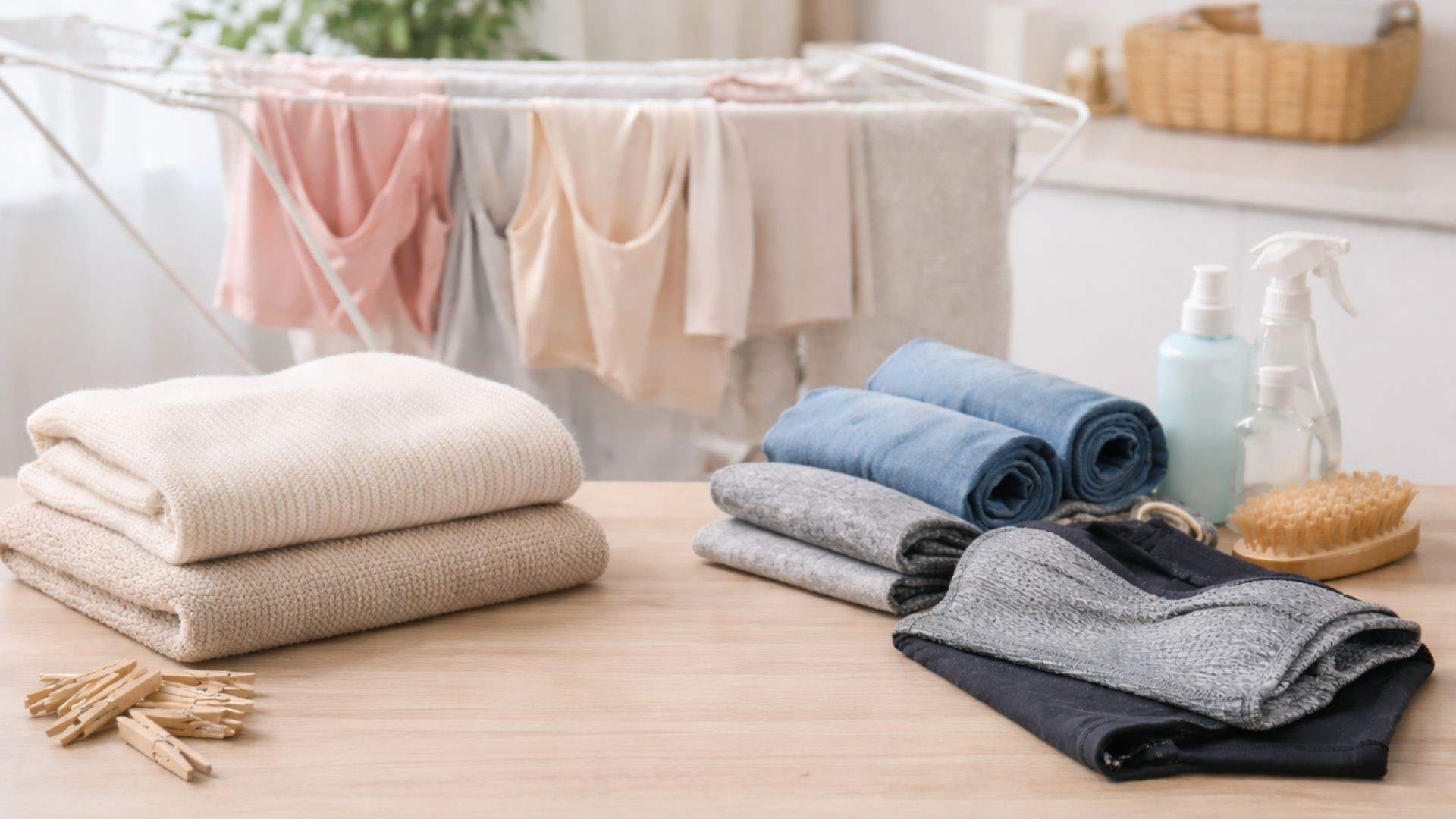
We’ve all done it, tossed a load into the machine, hit start, and walked away feeling like laundry is officially handled. Then comes the moment of truth: something shrank, stretched, warped, or came out looking oddly aged after just one cycle. Most everyday laundry disasters don’t happen because of bad detergent or overloading; they happen because we ignore the fabrics you should never put in the dryer. The dryer is powerful, convenient, and quick… but it’s also pretty unforgiving when the wrong materials go inside.
This guide isn’t about making laundry complicated or overly technical. It’s about protecting the clothes you actually like wearing, avoiding unnecessary replacements, and picking up a few simple habits that quietly extend the life of your wardrobe. Once you know what to keep out of the dryer, and what to do instead, laundry stops feeling risky and starts feeling predictable.
Why Dryers Damage Certain Fabrics
A dryer really only does three things: it applies heat, spins items around, and pushes hot air through them. Perfect for sturdy basics like cotton socks. Not so great for delicate fibers that rely on structure to hold their shape.
- Heat gradually weakens fibers
- Tumbling pulls and stretches their form
- Friction roughs up the fabric surface
Some materials are built to survive that kind of treatment. Others simply aren’t. And once damage happens, it usually can’t be undone. That’s why recognizing fabrics you should never put in the dryer matters even more than picking the right detergent. You’re not just drying your laundry; you’re deciding how long it lasts.
1. Wool
Nothing shrinks faster than wool. One hot cycle can turn a perfectly sized sweater into something that suddenly fits a child, and there’s no fixing it afterward.
What Happens in the Dryer
Wool fibers are covered in tiny, scale-like layers. When heat and motion combine, those scales tighten and lock together. Instead of stretching back, the fabric permanently compresses, which is why shrinkage isn’t reversible. The fibers don’t just contract… they fuse.
What to Do Instead
Here’s how to dry delicate clothes made of wool properly:
- Gently press water out (never wring)
- Lay the sweater flat on a clean towel
- Roll the towel to absorb extra moisture
- Reshape sleeves and edges while damp
- Let it air dry flat
This simple routine is reliable for preventing dryer damage and keeps wool soft, wearable, and the right size every time.
2. Silk
Silk may look delicate, but it’s surprisingly strong until heat gets involved. A dryer can damage its structure faster than almost any other fabric.
What the Dryer Does
- Heat weakens the natural protein fibers
- The surface loses its smooth sheen
- The fabric turns stiff or slightly rough
- The shape can warp permanently
Even low heat is risky. Silk simply isn’t built for quick drying.
Better Drying Method
This is where knowing how to air-dry clothes properly really helps:
- Hang silk on a padded hanger
- Keep it away from direct sunlight
- Allow natural airflow to dry it gradually
That’s it, no complicated steps, no heat, just patience.
3. Spandex & Activewear
Your workout clothes stretch and recover because of elastic fibers woven into the fabric.
The problem? The dryer slowly cooks those fibers every time they’re exposed to heat.
Dryer Damage
- Elastic weakens at a microscopic level
- Compression support starts fading
- Clothes gradually lose their fit and snap back
You usually won’t notice it after one cycle, but a few rounds later, your favorite gear suddenly feels loose and worn out.
Safer Alternative
For activewear, follow these shrink-proof laundry tips:
- Turn garments inside out
- Hang dry instead of tumble drying
- Keep away from direct heat
- Let them dry overnight
This is one of the clearest cases in the air drying vs machine drying debate, and air drying wins every time.
4. Denim
Denim rarely fails dramatically. Instead, it slowly loses its personality, fading faster, feeling stiff, and looking older long before its time.
What the Dryer Causes
- Color fades more quickly
- Fibers weaken over time
- Creases are set permanently into the fabric
Your jeans don’t fall apart overnight; they just start looking worn months earlier than they should.
The Right Way
To protect denim:
- Shake the jeans out after washing
- Hang them by the waistband
- Let gravity naturally release wrinkles
These are simple laundry care tips for delicate fabrics because even tough materials become vulnerable in the wrong environment.
5. Bras & Structured Garments
Bras, molded tops, shapewear, and any structured garments should never go into a dryer.
What Goes Wrong
- Elastic fibers lose stretch
- Padding becomes lumpy or misshapen
- Underwires bend or poke through fabric
The result? Less support, poor fit, and uncomfortable wear.
Best Method Instead
- Lay flat on a clean towel
- Gently reshape the cups and structure
- Allow to air dry naturally (away from direct heat)
This is a classic example of how to dry delicate clothes correctly, and doing it properly can double the garment’s lifespan.
Why Air Drying Is Actually Easier
Many people assume air drying is inconvenient. In reality, it removes most clothing problems before they even happen.
Shrinkage, fading, stretched collars, warped seams, nearly all of it comes from heat, not washing. When you skip the dryer, you’re not adding effort; you’re removing risk.
Air drying also simplifies decisions. You don’t have to separate “safe” vs “maybe safe” fabrics or guess the right temperature. Everything follows the same gentle process.
Benefits of Air Drying
- No shrinkage
- Less fading
- Longer fabric lifespan
- Better shape retention
This is the real comparison in air drying vs machine drying, short-term speed versus long-term longevity.
You’re essentially trading 40 minutes today for months of extra wear. Over time, that means fewer replacements, fewer disappointments, and clothes that keep fitting the way they were meant to.
A Simple Air-Dry System Anyone Can Follow
You don’t need a balcony, yard, or a complicated drying setup. Airflow matters far more than space. Even a small room works if the air can move; the goal is evaporation, not sunlight.
Most drying problems come from crowding clothes together or leaving them in still air. Give fabric breathing room, and it dries faster than people expect, often overnight.
The 10-Minute Setup
- Shake clothes right after washing to release wrinkles
- Hang items spaced apart so moisture can escape
- Place near a fan, vent, or open window
- Rotate positions after a few hours if needed
That’s really all there is to how to air-dry clothes properly.
Laundry stops feeling unpredictable and starts feeling controlled, no shrinking surprises, no heat damage, just consistent results.
The Cost of Ignoring Fabric Care
Dryers feel convenient until you realize how quietly expensive they can be. Most clothing damage doesn’t happen dramatically; it happens gradually. One cycle at a time, pieces lose shape, color, and structure until they’re no longer worth wearing.
A sweater tightens just enough to feel uncomfortable.
A bra stops supporting properly.
Your favorite jeans fade months earlier than expected.
Individually, each loss seems minor. Over time, it becomes a steady cycle of replacing clothes that should have lasted far longer.
Following basic dryer damage prevention habits isn’t about perfection; it’s about awareness. A few small adjustments can easily save hundreds each year without changing your routine much at all.
Making Laundry Effortless Instead of Stressful
Laundry only feels annoying when it’s unpredictable, when you open the dryer and hope nothing went wrong this time. But once you recognize the fabrics you should never put in the dryer, that uncertainty mostly disappears. Fewer surprises, fewer “why does this look different?” moments, and far less regret.
You don’t need extra products or complicated steps. Just smarter drying habits. A couple of consistent rules protect the shape, color, and comfort of your clothes much longer than you’d expect.
That’s really the goal: not flawless laundry, just laundry you can rely on every single time.
Final Thought
The dryer is excellent for sturdy items, towels, socks, and everyday cotton. But delicate fabrics depend on airflow, not heat. The moment you start treating drying as part of fabric care instead of the final step, laundry outcomes become far more consistent.
Laundry doesn’t require extra effort. It requires fewer mistakes.
Understanding the fabrics you should never put in the dryer helps you avoid shrinkage, distortion, and premature wear, which is exactly why many modern laundromats, including CoinLess Laundry, also guide customers on proper drying choices. The goal isn’t just clean clothes, but clothes that stay wearable longer.
Keep the process simple, stay mindful of heat, and your wardrobe naturally lasts, without adding complexity to your routine.